

Like it or not, you and your horse are going to have to embrace the hot, humid temperatures that summer has brought along. But apart from the discomfort, scorching temperatures tend to be dangerous for horses as they may lead to a heat stroke or heat stress that are both fatal physiological conditions.
Defining Heat Stress
It’s a condition in which their core body temperature rises and increases the blood flow to their skin and muscles. As sweat forms, it evaporates and keeps the horse cool, enabling evaporative cooling — this increases respiration and enhances the flow of air through nasal passages. Our equine partners tend to experience heat stress, which may also be referred to as heat exhaustion, when they cannot cool their bodies down due to climate, exercise, or other factors.
Signs of Heat Stress
A horse in distress may show signs of flaring nostrils, dripping sweat, and quivering muscles. They may also experience rectal temperatures to move high up to 103 degrees Fahrenheit, dehydration, and tiredness.
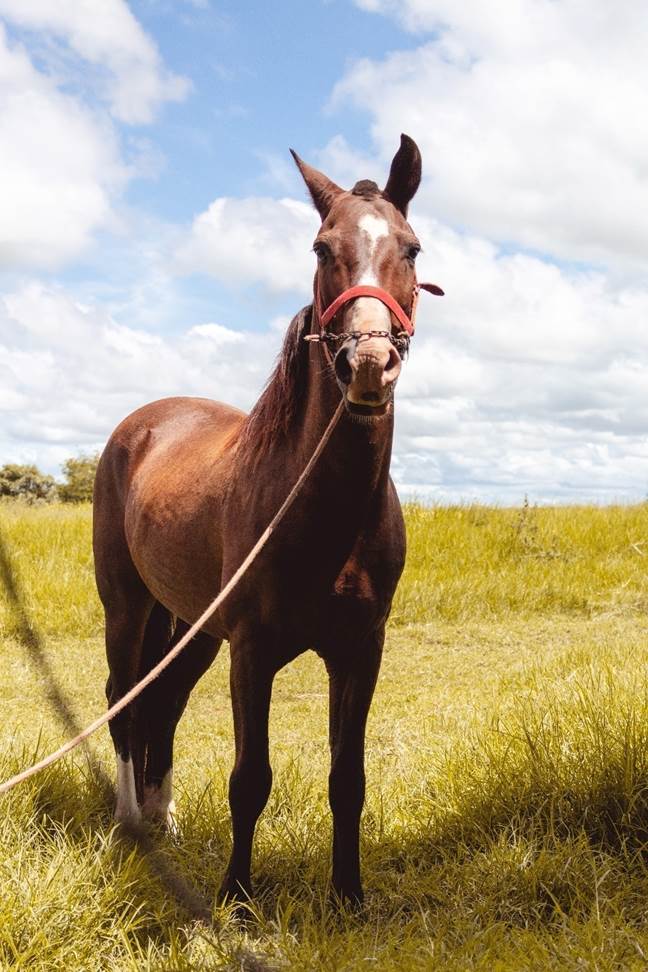
5 Factors for Identifying Heat Stress
1. Size
Horses that are unfit, overweight, or well-muscled tend to suffer from anhidrosis — a state where the horse is unable to naturally produce sweat, which inevitably puts them at a higher risk for heat stress.
2. Location changes
If horses experience fluctuations in climate due to location changes and don’t get the chance to acclimate (a process administered over 15 to 21 days that increases sweating efficiency) can experience trouble administering the simplest of workouts.
3. Workload
If the horse returns to work after a prolonged lay off period or if the task for that particular day increases the horses capacity, or in case the temperature and humidity are excessive: both (fit and non-fit) horses may be at an increased risk of heat stress as a result of the excessive heat produced by their muscles which significantly reduces performance.
4. Warm-up
Exercising quickly without an adequate warm-up session can cause body temperature to rise too rapidly for the sweating mechanism to cope.
5. Hot temperatures
The absence of exercise can increase the chances of heat stress, too, when the horse is exposed to hot, humid temperatures for an extended duration.
Prevention shall always be the best strategy to prevent your horse from being heat struck. A horse owner must keep an eye out for humidity, especially when it isn’t windy enough outside to assist evaporation. Additionally, you can aim to keep the horse well-hydrated at all times.
The Trinity Equestrian Center is a full-service equine facility that welcomes riders of all ages and levels to indulge in custom-tailored programs for horseback riding lessons, training in show jumping, horse boarding, and horse care. Our horse stable is located in Germantown, NY, but we’re easily accessible from Ancram, Claverack, Chatham, Copake, Columbia County, Kingston, Rhinebeck, Red Hook, and Tivoli. Book yourself a spot today!
