
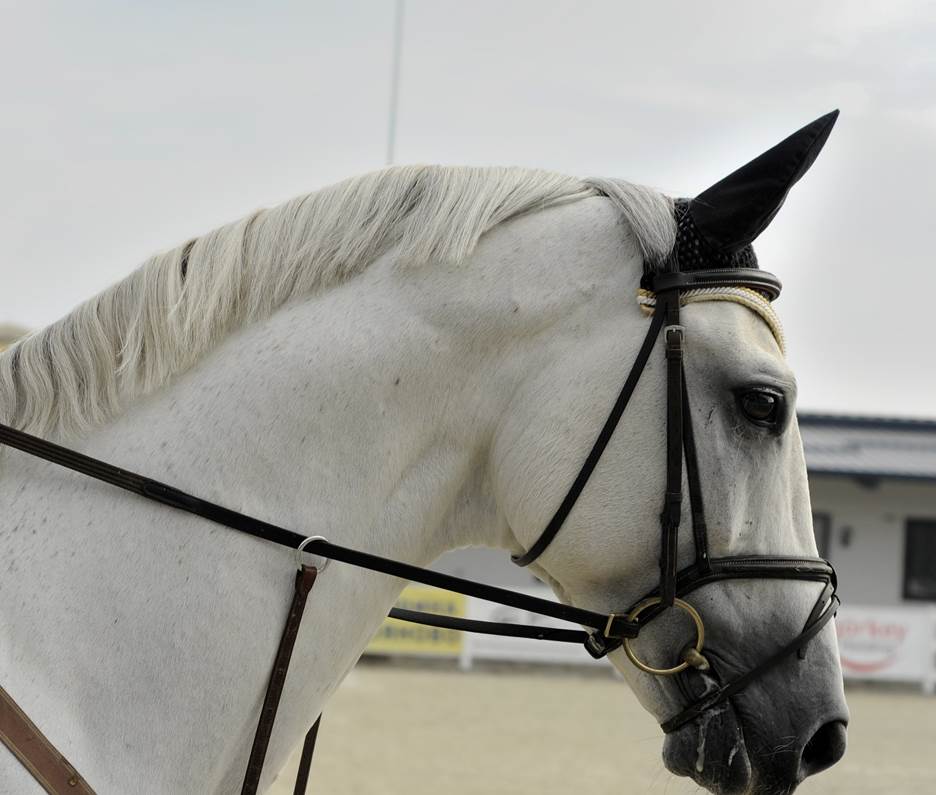
Vaccines protect the body against diseases. They work by producing antibodies against a particular disease. So, when the body is exposed to the disease, the antibodies can put up a fight. Vaccines for horses work in the same way and protect the horse from getting sick. Antibodies in the blood can be measured with titers that produce statistical information for allergens, viruses, and bacteria. The following vaccinations have potential public health significance and may or may not be required by law:
1. Eastern/Western Equine Encephalomyelitis (EEE/WEE)
These are viral infections that attack the horse’s brain and spinal cord. The virus is maintained in reservoirs that may be transmitted to horses with the bite of an infected mosquito. The fatality rate for this disease is as high as 50 to 90 percent in most cases.
2. Rabies
Rabies may occur due to the transmission of the virus from an infected (rabid) animal’s saliva. This virus is known to migrate through the nerves and into the brain, which initiates progressive encephalitis that is always fatal.
3. Tetanus
Tetanus, or lockjaw, is due to exposure to a bacteria called Clostridium Tetani. The tetanus toxin causes the horse’s muscles to spasm and may cause severe dehydration and respiratory paralysis that leads to death.
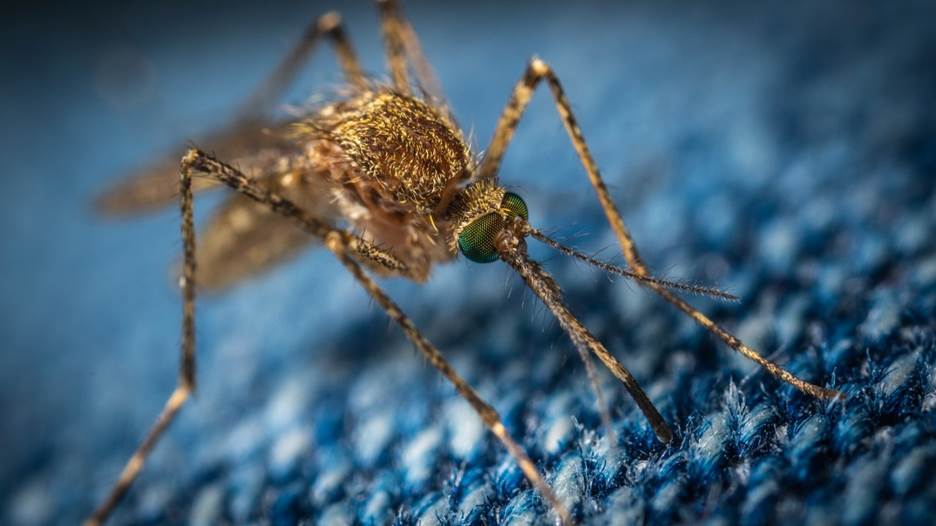
4. West Nile Virus
This disease is most commonly spread from the bite of an infected mosquito and is known to affect horses, humans, and birds alike. However, it’s not directly contagious from a sick animal. Symptoms may include muscle twitching in the neck, chest, and lips and ataxia (wobbliness). Although some horses may not experience any symptoms, others may experience fever, decreased appetite, and lethargy. The mortality rate is as high as 30 percent, so this vaccination is strongly recommended for all.
5. Equine Influenza
Flu symptoms include dry cough, fever, runny nose, poor appetite, dehydration, lethargy, and secondary pneumonia. Although death is infrequent as most horses recover, the flu itself is highly infectious and may account for lost money and time.
6. Equine Herpesvirus (1 and 4)
EHV is sometimes referred to as ‘rhino’. EHV-1 can cause abortion, respiratory diseases, foal death, and neurological disease, whereas EHV-4 only causes respiratory illnesses in young horses. Recommendations for administering this vaccine depend primarily on the disease risk assessment.
The Trinity Equestrian Center is a full-service equine facility that specializes in horse care. We welcome you to indulge in custom-tailored programs for horseback riding lessons, training in show jumping, and horse boarding at our horse stable in Germantown, NY. We’re conveniently accessible from Ancram, Claverack, Chatham, Copake, Columbia County, Kingston, Rhinebeck, Red Hook, and Tivoli. Contact us for more information.
Disclaimer: It is possible for a horse to experience adverse side effects from the vaccine; it’s best to consult a veterinarian before injecting your horse with the different kinds of vaccines on the market and the diseases most common in your area.
